 BMTF News
Goff’s habitat improvement: Stage 1 complete
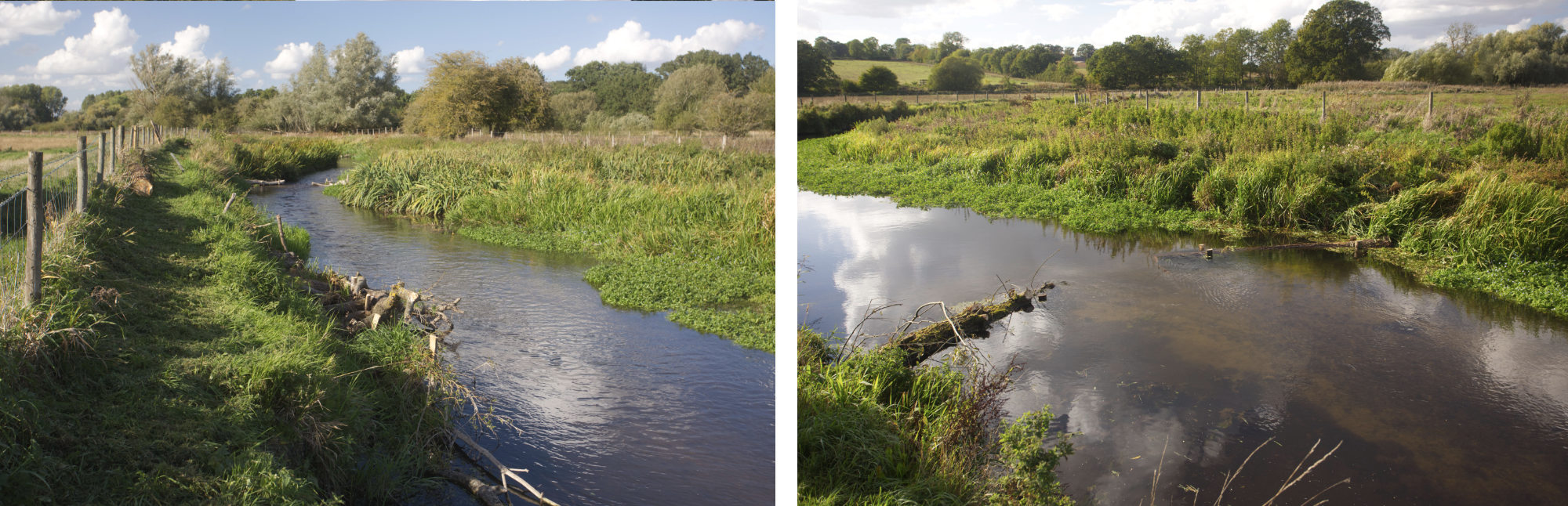
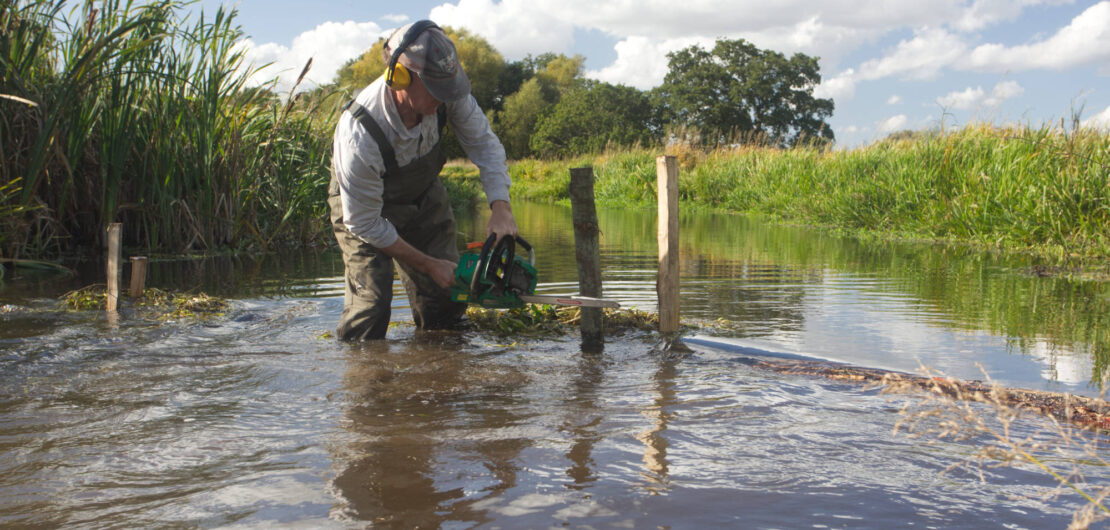
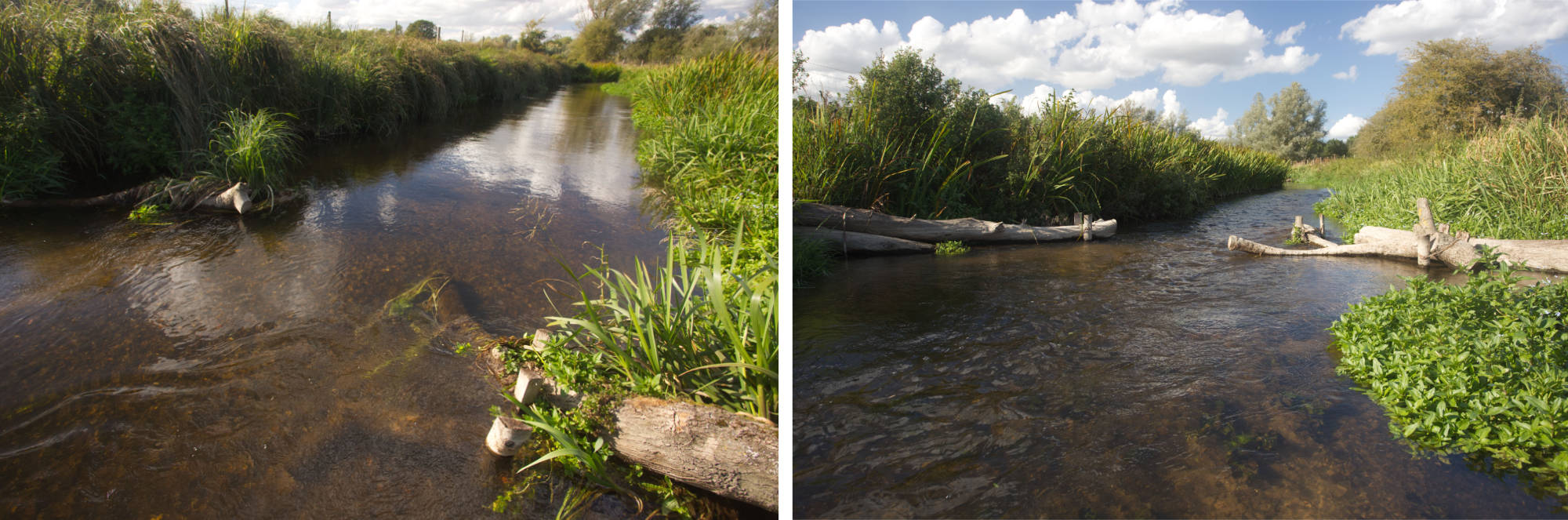
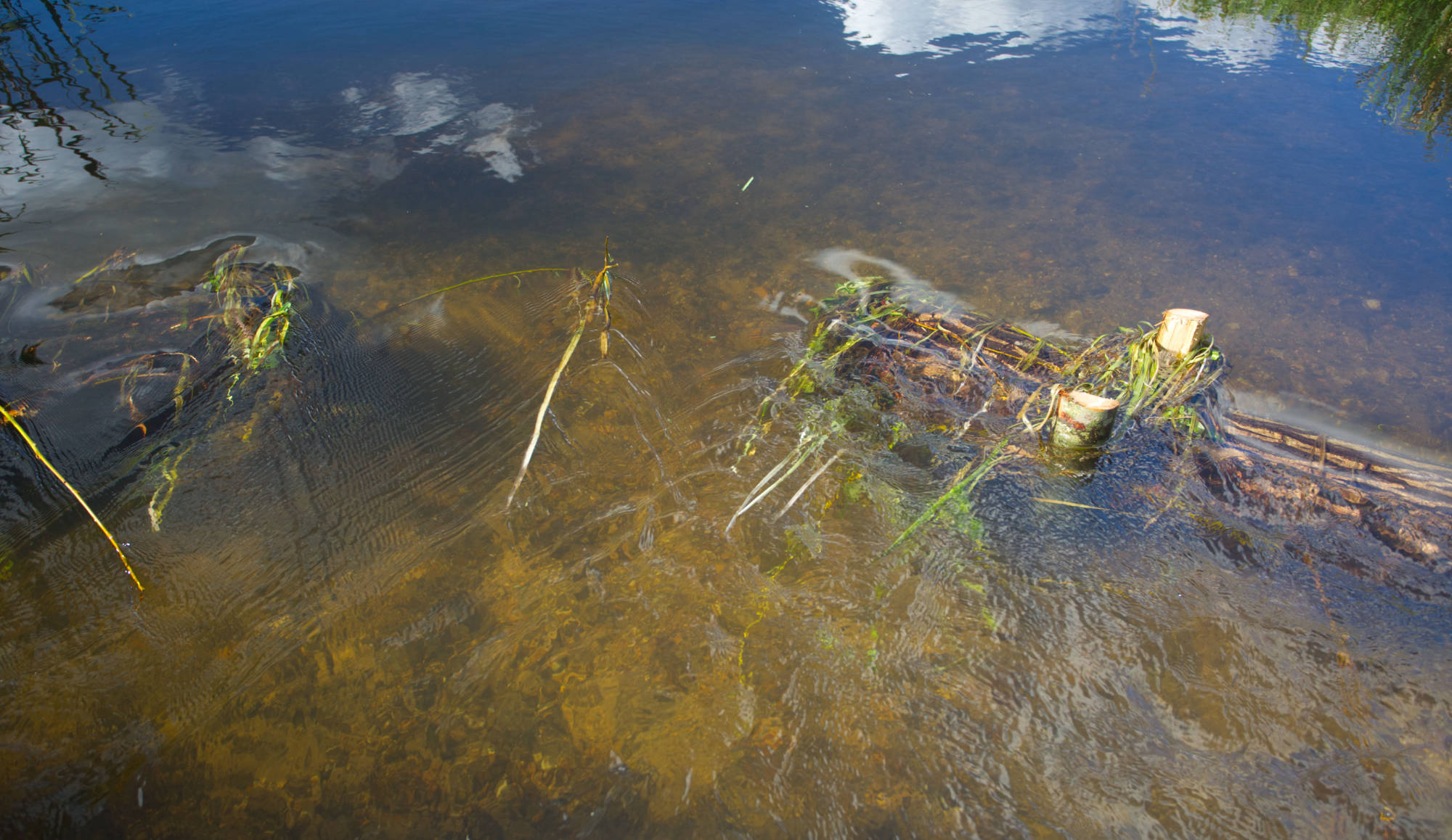
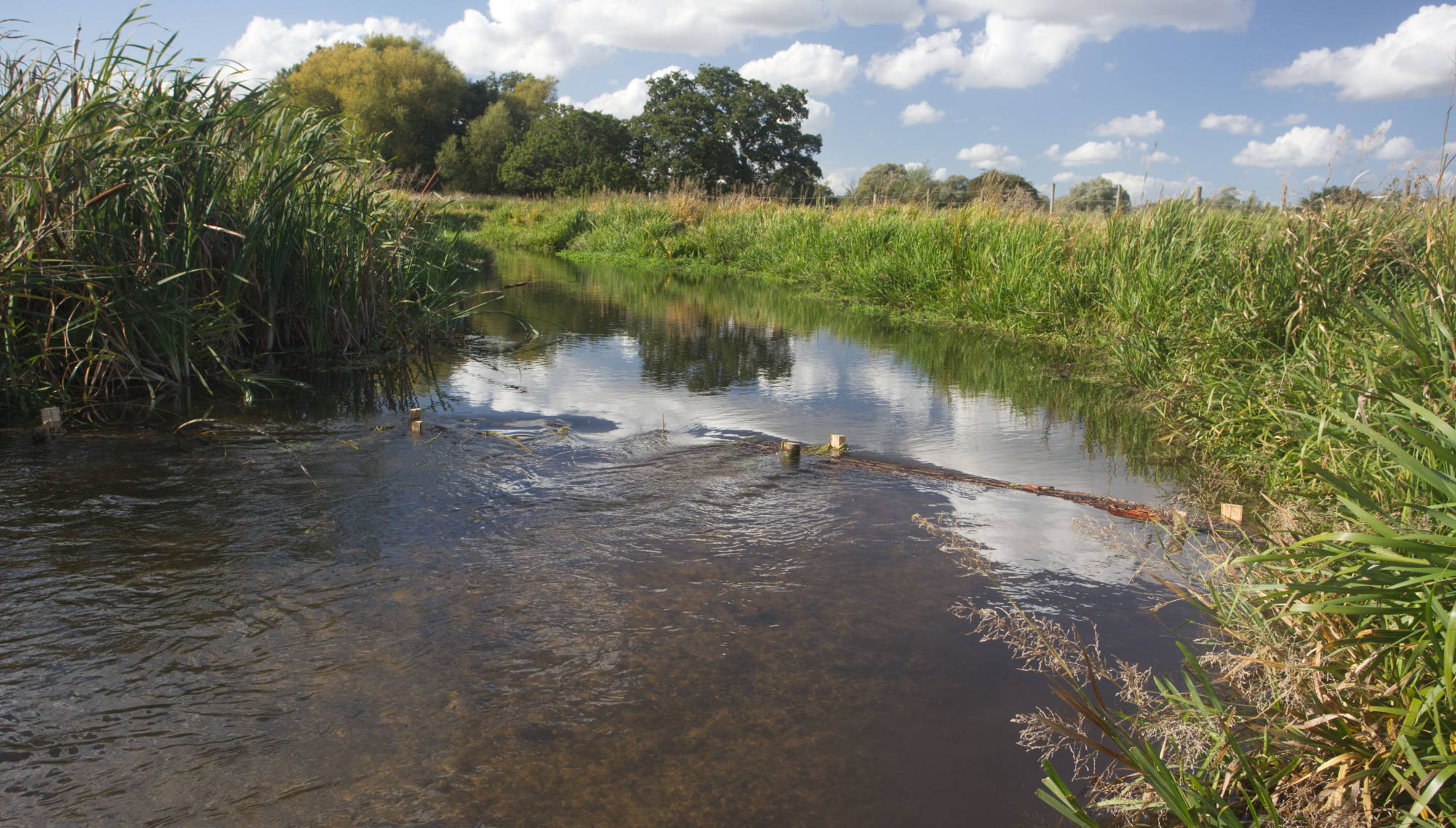
Stage one of the Goff’s improvement programme is now complete, with the installation of flow deflectors and large woody material throughout the beat to improve conditions for the wild trout population in the river.
The club was given a short three month window to complete work before October 1st, as the Environment Agency deemed this date to be the start of the trout spawning season, when all work in the river had to cease. It was a tall order for a small fishing club relying almost entirely on volunteer work party labour, but we got it done, and several sections of the beat have already begun to show clean gravel due to the increased flow. Environment Agency funding assistance and technical expertise from the Wild Trout Trust were significant factors in facilitating the successful implementation of the first stage of the project, and stage two will be in progress over the course of the winter.
Stage 2
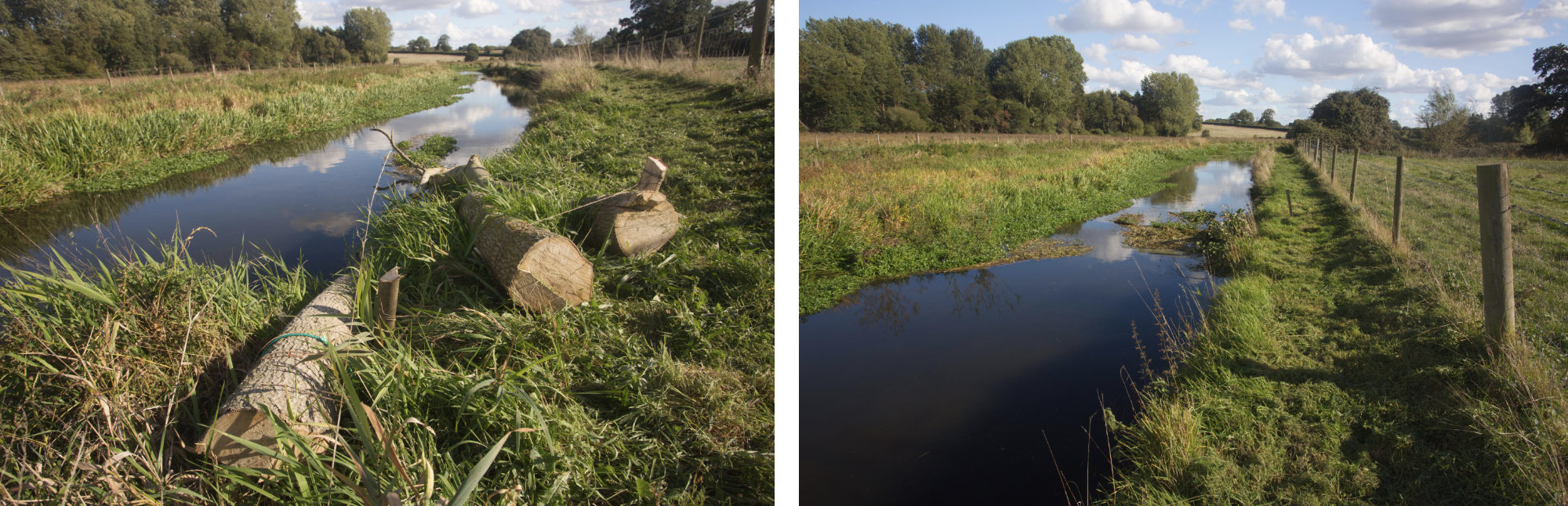
As well as a uniform, over-dredged channel, the beat suffers from an almost total lack of tree cover on the banks to provide shade and additional insect life. In the context of increasingly hot and dry summers, this is becoming important as trout in particular do not fare well in hot water. Reduced flows due to increased abstraction resulting from local over-development and increasingly intensive arable farming are aggravating the problem, as the lower river levels are far more susceptible to over-heating in exceptional hot spells. The long-term solution to this is to plant more trees along the banks to provide the necessary shade.
An additional benefit of having mature trees along the river is that it helps to secure the banks from erosion and mitigate the effects of bank vole and signal crayfish excavation, but this requires the banks to be fenced off. However, few landowners seem willing to place fences more than a metre or so from the water’s edge, which in turn will accelerate erosion and eventually be self-defeating. Nevertheless, there are a number of areas along the beat where trees can be planted and be reasonably safe from grazing livestock, and the club has scheduled an extensive tree planting programme as stage 2 of the habitat improvement plan. Over the course of the coming winter BMTF will be planting over 300 trees along the banks of the river, with most going onto the Goff’s beat. This is very much a long-term initiative, but experience with previously planted willows and alders on the beat shows that in only a few seasons the young trees will be large enough to begin providing valuable shade and encouraging insect life.